
First Signs of Spring: A Farmers Market Guide to Buds and Sprouts
April 2, 2026
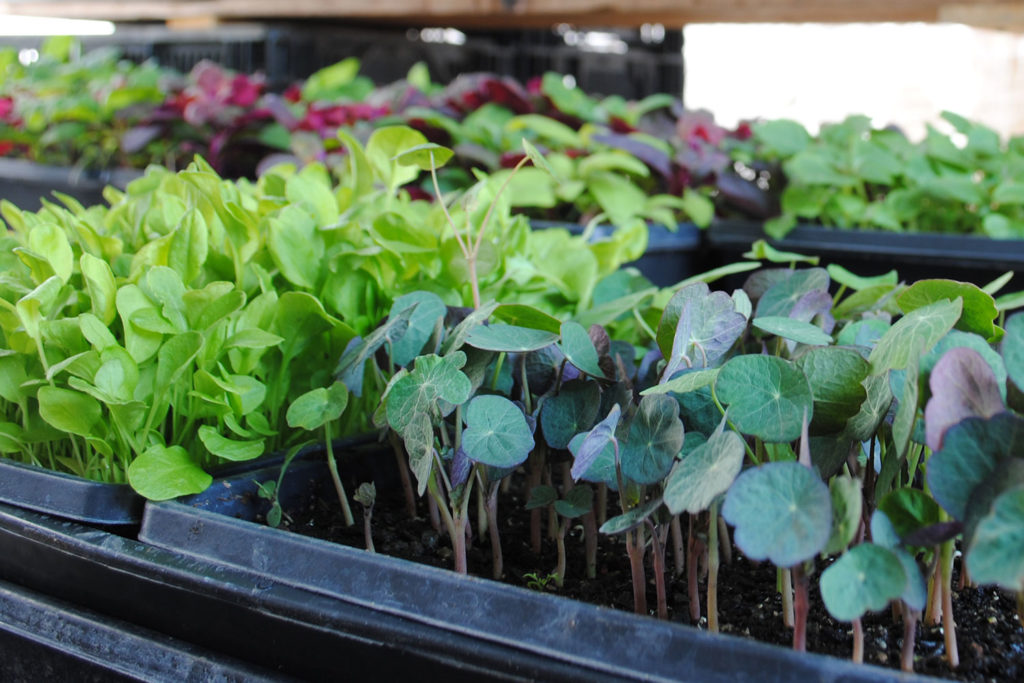
Spring is a time of beginnings at the farmers market. When the soil warms up, tender veggies sprout from the ground and offer the best of their light and delicious flavors. Take them home, wash and pat them dry, and enjoy them with a wide variety of recipes, including soups, salads, and dips.
At the farmers market, you’ll find edible plants harvested at various stages of maturity: Newly germinated seeds are called sprouts, which may have embryonic leaves called cotyledons. When the sprouts grow true leaves, they become microgreens, and a few weeks later they may be harvested as baby greens, when they’re a bit larger but not fully mature. This time of year also brings edible flowers and budding vegetables like artichokes, which are the buds of an inedible thistle flower.
Read on for a guide to some of the buds and sprouts that you can find at the farmers market when spring is in full bloom. Be sure to visit our Seasonal Spotlight tent at Foodwise farmers markets this month for samples, recipes, and cooking tips for making the most of your early spring buds and sprouts, and join us at the Ferry Plaza Farmers Market on Saturday, April 25, for our Spring Celebration.
Find Greens of Spring at These Farms at Foodwise Farmers Markets
Avila Farms | Allstar Organics | Blue House Farm | Brooks and Daughters | Dirty Girl Produce | Eatwell Farm | Everything Under the Sun | Four Sisters Farm | GG Farm | Green Thumb Farms | Heirloom Gardens | Iacopi Farms | Knoll Farms | Lonely Mountain Farm | Marin Roots Farm | McGinnis Ranch | Oya Organics | Star Route Farms | Zuckerman’s Farm
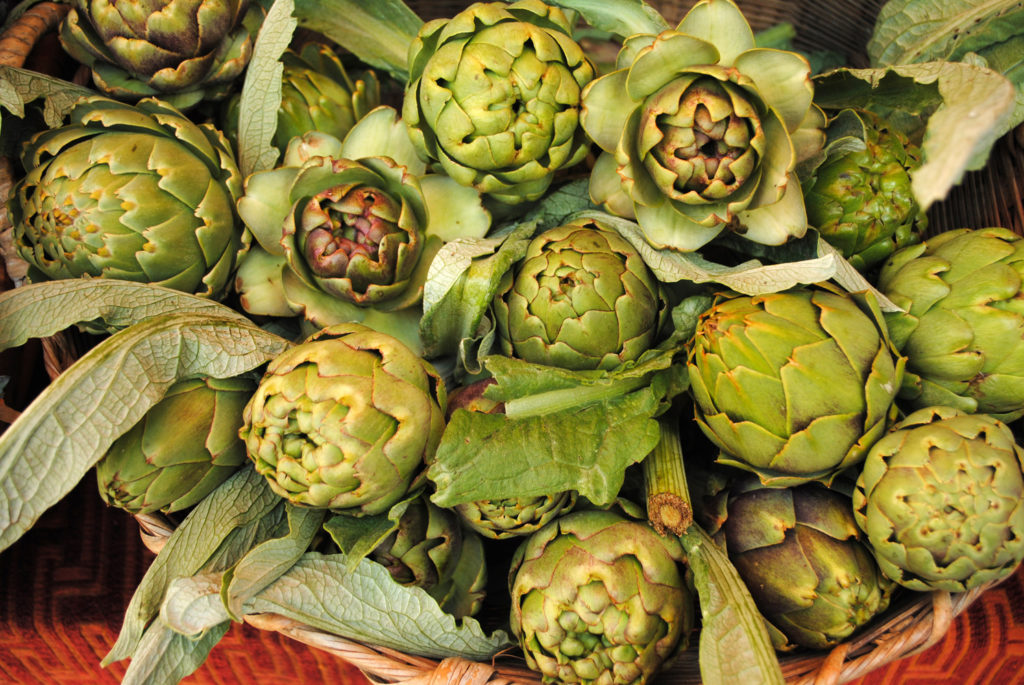
Artichokes are the bud of an inedible thistle flower, which can only be eaten raw after picking it apart: first, the bracts (petal-like leaves) are peeled off, then the choke underneath it is removed, and the fleshy, flavorful heart and tender parts of the leaves are eaten. Artichokes are best grown in Monterey County, where the temperate climate and deep, fertile soil allow them to grow to their best possible flavor. Simply steam them and serve with melted butter.
Recipe to try: Turkish Spring Rice Pilaf with Artichokes (Enginarli Bahar Pilavi) by Naomi Webb, Foodwise Staff
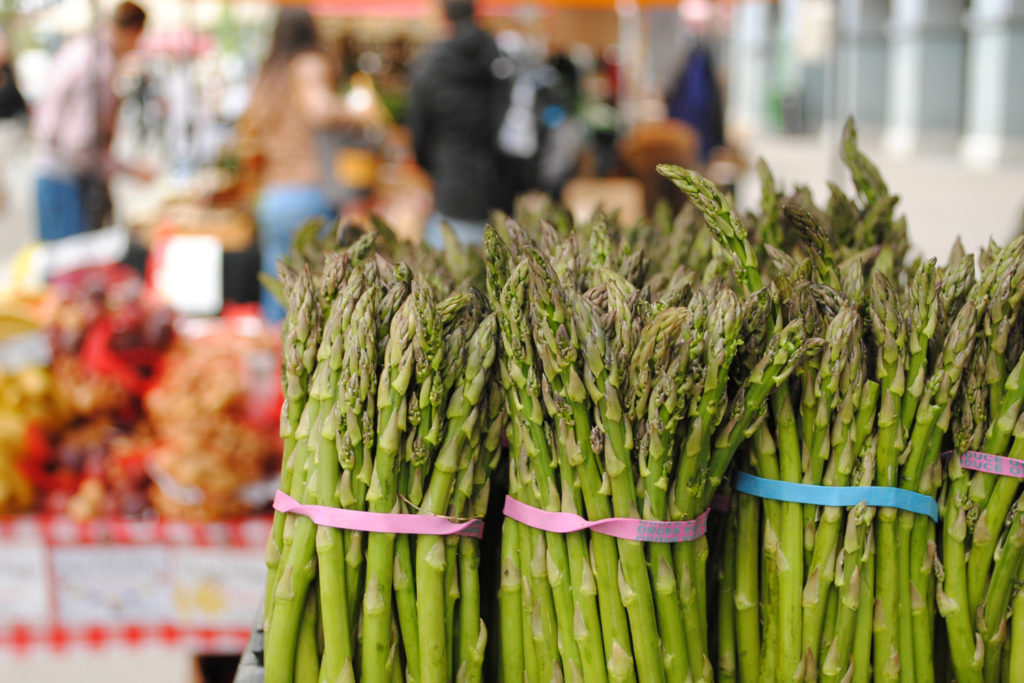
Once soil temperatures reach 50 degrees, asparagus peeks out from the ground. The marshy Sacramento Delta allows California to lead the nation in producing this labor-intensive crop, which needs to be hand-harvested and can take two or more years to sprout. Their tender and edible stalks are actually the shoots of a perennial plant in the lily family. Season them with butter and salt and roast them in the oven for a tender and delicious side to any entrée.
Recipe to try:Shaved Asparagus Salad by Bryant Terry, Vegetable Kingdom
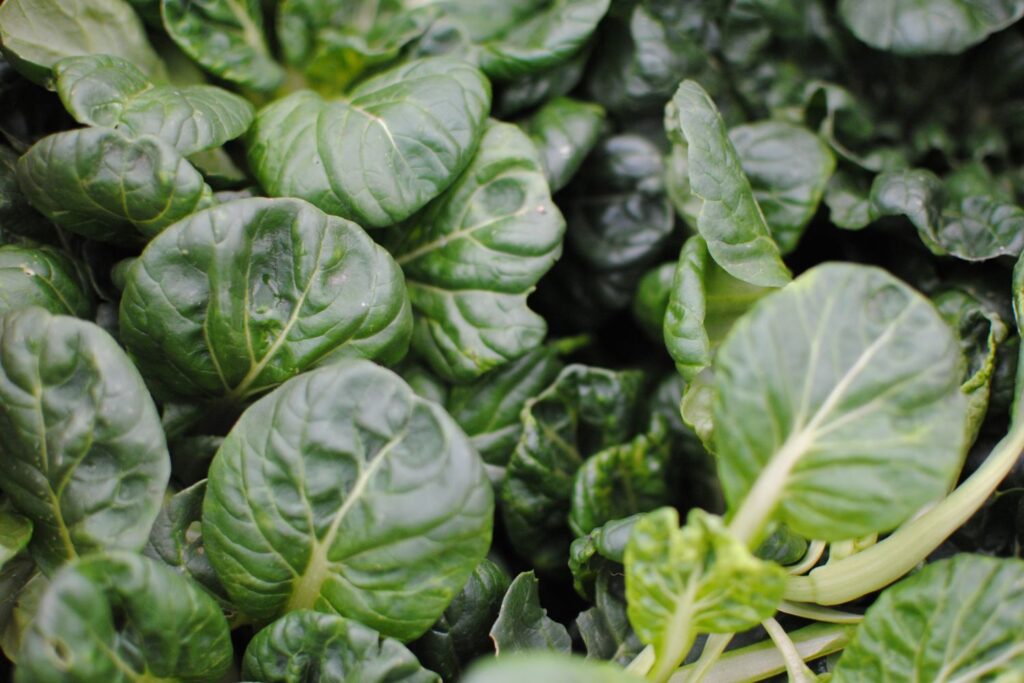
Tatsoi, kale, spinach, arugula, and other greens can be harvested after just a few weeks of growing for a tender, easy topping on your sandwiches or basis for salads. Though their mature counterparts pack more nutrients, baby greens are a good source of essential vitamins, calcium, and potassium. Be sure to wash, dry, and wrap your greens in a paper towel before storing them in your fridge to keep them fresh and vibrant.
Recipe to try: Quinoa Greek Salad by Audrey Reuben, Foodwise Intern
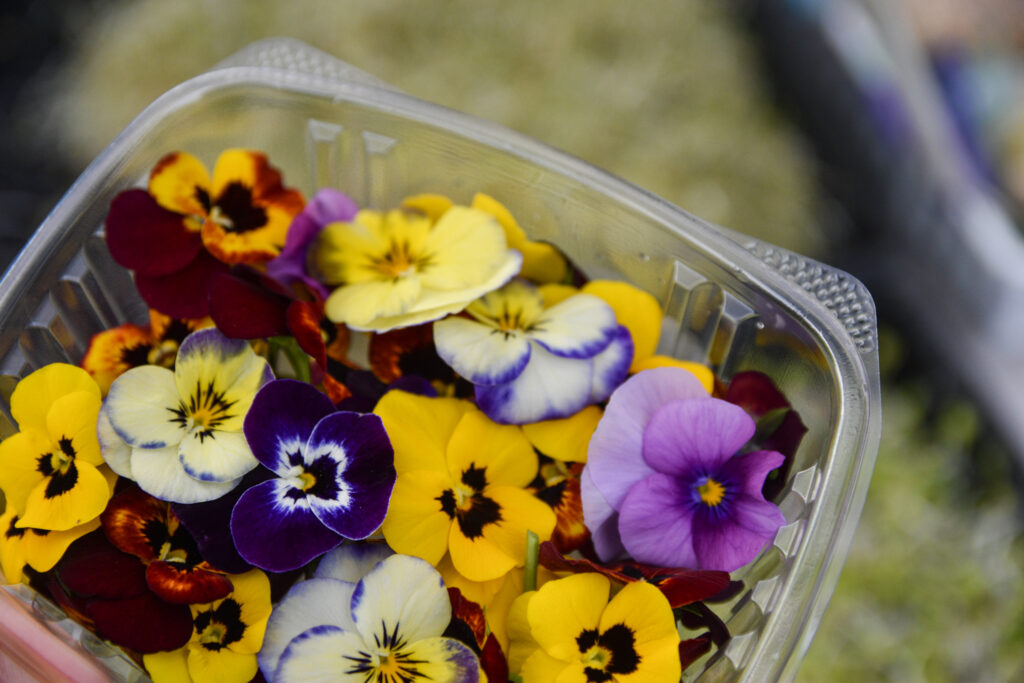
Add a pop of color and beauty to your salads and other recipes with edible flowers like Johnny Jump-ups (shown above), anise hyssop, borage, calendula, chamomile, nasturtium, and more. Some flowers are also believed to have healthy benefits, such as antioxidants and anti-inflammatory compounds. Many common vegetables and herbs also sprout edible flowers, like squash blossoms, which can be sauteed and stuffed, or cilantro flowers, which make a tasty garnish.
Recipe to try: Carnaroli Risotto with Spring Greens by Tony Florian, Seven Hills
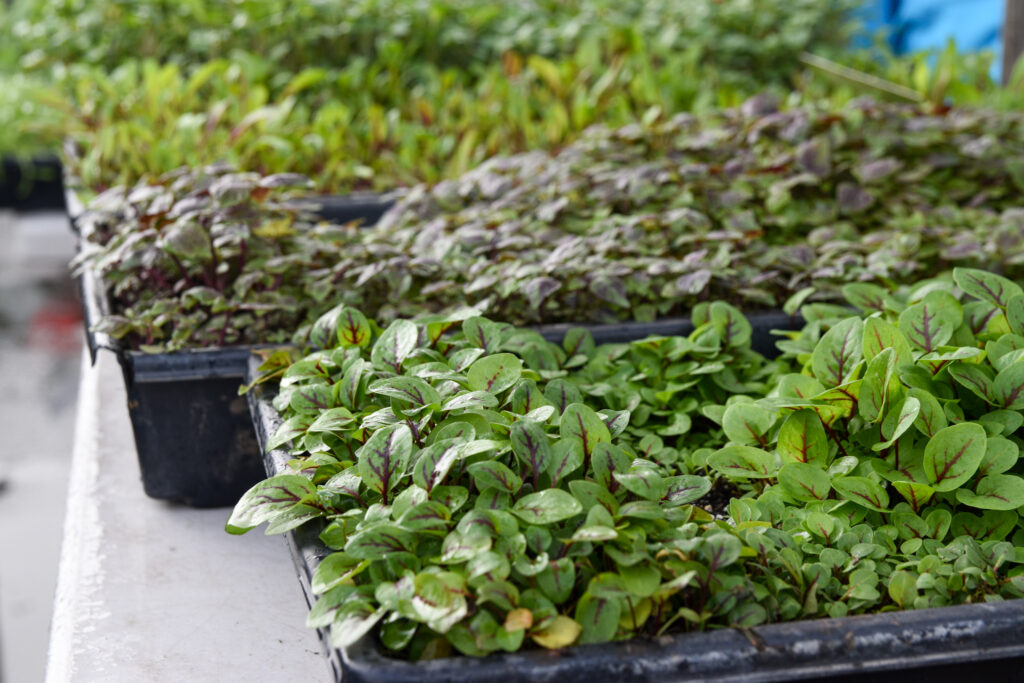
Whereas sprouts (see below) can reach their prime in just a few days, microgreens are grown for up to five weeks in a nutrient-rich substrate. When you get microgreens at the farmers market, they’ll be cut off at the stem, ready for you to sprinkle in smoothies, sandwiches, wraps, and all of your favorite recipes. The addition of a spicy radish sprout, for example, might add a punch to an otherwise mild dish, while a tender cilantro microgreen delivers a much more subtle flavor than the mature plant.
Recipe to try: Point Reyes Toma Frico with Minted Pea Purée and Micro Mâche by Jennifer Luttrell, Point Reyes Farmstead Cheese Company
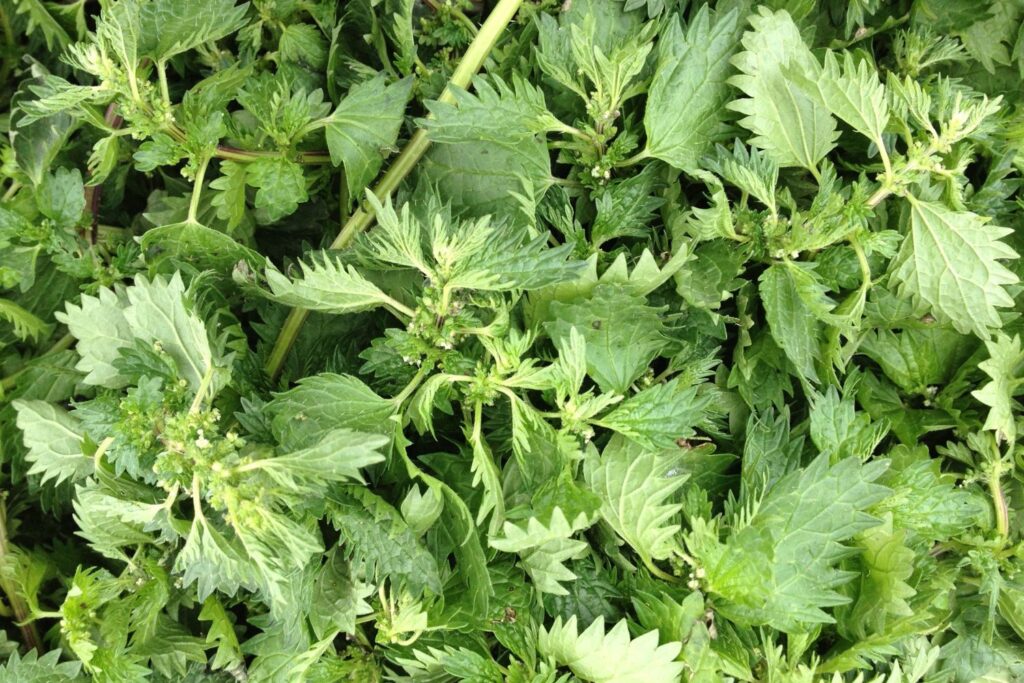
Yes, stinging nettles are edible! A common “volunteer” (aka weed) on farms, nettles have a history of being used for medicinal purposes, testing symptoms of arthritis, hay fever, kidney problems, and more. As food, they make a great substitute for common greens in polenta and pestos, often allowing for a richer flavor. Wear gloves when handling raw nettles to avoid their sting, and give your nettles a quick blanch to remove their thorns. You can also steep them as a tea. Nettles can also be found flavoring certain cheeses, like Yarg and Gouda.
Recipe to try: Nettle Porridge with Butternut Squash and Bacon by Nichole Accettola, Kantine
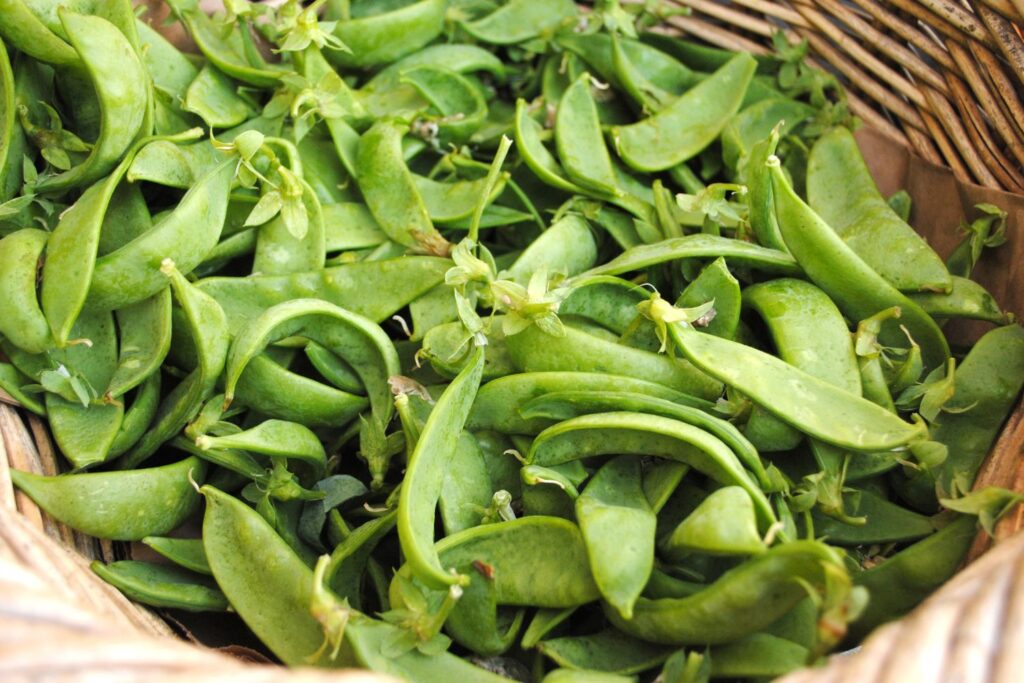
The leaves of a pea plant, also known as pea shoots, pack a nutritional punch with more vitamin C than blueberries, more folic acid than bean sprouts, and more vitamin A than tomatoes. These bright green, crisp leaves, and their curly tendrils do well as a quick and easy garnish on your favorite meals.
Recipe to try: Ricotta Gnocchi with English Peas, Spring Onions, and Pea Tendrils by Sascha Weiss, The Plant Cafe Organic
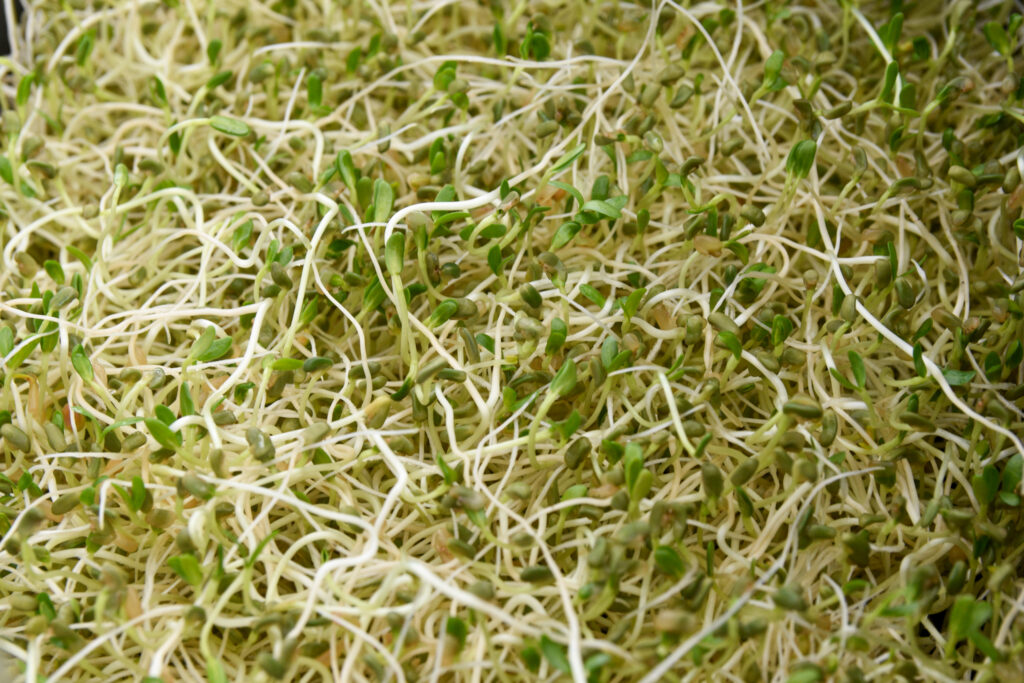
Sprouts are the earliest stage of the plant in the germination process. Sprouted seeds can be grown in your home from the seeds of grains, legumes, herbs, and more, or found at the farmers market. These tiny and easy-to-digest forms of your favorite vegetables, such as broccoli and radishes, have been shown to have a higher mineral and vitamin content than ungerminated seeds and some mature vegetables. They are best stored in a dry, airtight container with a paper towel and refrigerated.
Recipe to try: Spring Soba Salad with Creamy Sesame Dressing and Seasonal Vegetables by Shaun King, PABU Izakaya
Seasonal Spotlight
Foodwise’s Seasonal Spotlight program shines a light on the best produce that California farms have to offer at our farmers markets. Join us for free samples, cooking demos, and festivals to celebrate a different peak-season produce item each month. See upcoming events.
Topics: Produce guides