
Urban Organics Shares What It Takes to Transition to Regenerative Certification
Mady McClung, Communications Intern
September 3, 2026
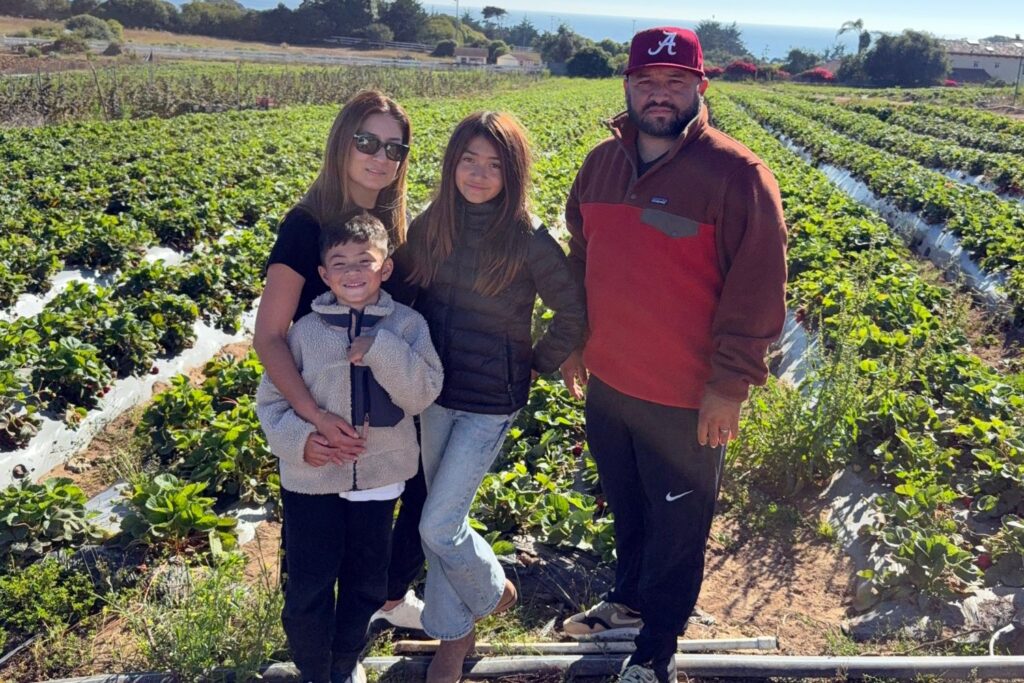
You may have seen the term “regenerative organic” popping up more lately, but what does it actually mean, and how does it benefit consumers? Urban Organics is one of the rising number of farms responding to the demand for better health, sustainability, and social welfare standards by transitioning to regenerative organic.
Adrian and Esmeralda Mondragon bought their farm in 2012, but their farming tradition runs much deeper. Adrian is the third generation of Mondragon farmers. He grew up working on his parents’ berry farm, but he and his wife Esmerelda decided to diversify when they started Urban Organics. On their 28-acre farm in Watsonville, they now grow a variety of vegetables and berries.
They have been certified organic through CCOF since purchasing their farm, but transitioned to regenerative organic certification in March of 2026.
Adrian said that they decided to pursue this rigorous certification because they wanted to provide greater reassurance to shoppers, so they feel comfortable eating their produce and feeding it to their children. “We wanted to have more transparency with our farming operation and try to paint a more clear picture to our consumers, while also trying to be the best land stewards we can be,” says Adrian.
What Is Regenerative Organic Certification?
Regenerative organic has been in the news lately, with federal agencies making reference to the approach. Although it does not have a government-run certification program, it is defined by the California Department of Food and Agriculture as a farming approach that prioritizes continuously working to improve the state of the soil and surrounding ecosystem. This goes beyond the USDA organic certification by not just minimizing the use of chemical pesticides but also actively working to promote ecosystem health.
The Regenerative Organic Alliance certification system, through which Adrian and Esmerelda certified their farm, is built upon standards of “soil health, animal welfare, and social fairness.” Farmers often transition to regenerative organic gradually, as the demanding certification process and holistic farming approach can make it difficult to maintain productivity.
The Regenerative Organic Alliance offers tiers of certification to ease the transition: bronze, silver, and gold. These tiers represent the percentage of the farms’ land and product that has been certified as regenerative organic. Urban Organics currently holds the entry level bronze-tier certification, but is working toward the gold-tier certification by 2028.
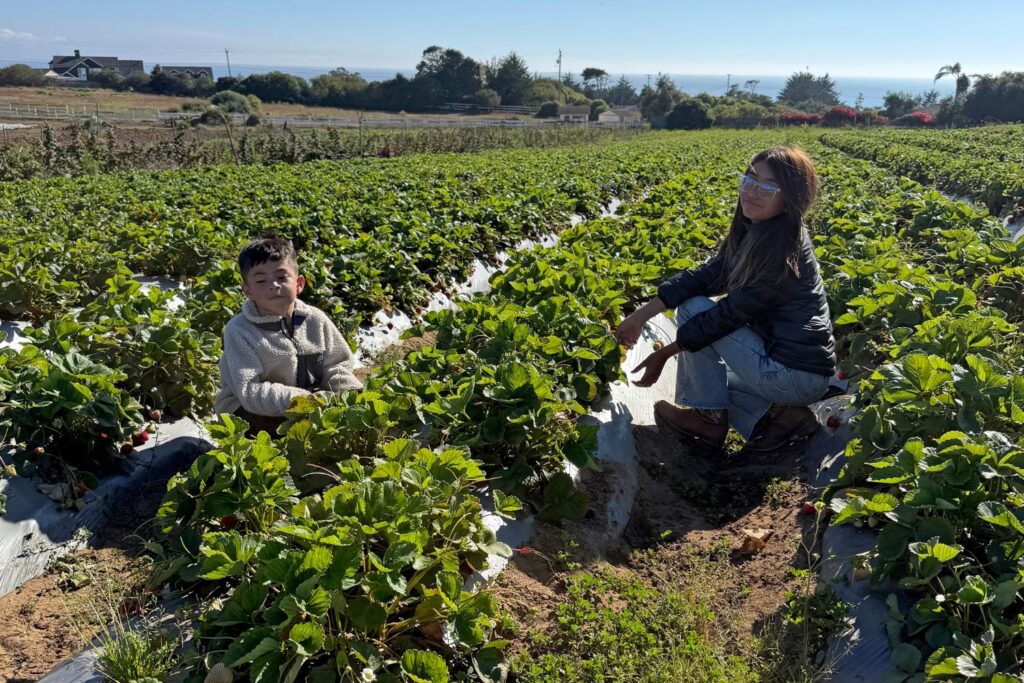
Building Soil Health for Climate-Wise Farming
In transitioning their land to regenerative organic, Adrian said that, in addition to increasing transparency for customers, they are prioritizing “benefiting the ecosystem around the farm and promoting growth for our employees.”
They implemented a system of crop rotations and cover crops, building soil health and minimizing the need for tilling. Crop rotations work to prevent the depletion of the soil’s nutrients, and cover crops to replenish the soil and protect it from erosion.
However, implementing a new system posed challenges, forcing Adrian to scale back the production of many of their row crops this year as they adjusted to the timing of the rotations. He says that they look forward to re-introducing vegetables like lettuce, brassicas, peas, and Mexican sour gherkins this fall. “Now that we have a clear picture of what regenerative is and we know the approach to it, we are going to go back to farming some of those specialty items,” he says.
In order to encourage biodiversity, they began intercropping, a process Adrian describes as growing “two or more crops close together at the same time to maximize space and natural defenses.” Where they already grew raspberries, they now utilize the space between crop rows to grow brassicas. They select crops to pair by assessing which plants can properly enrich and balance their environment. “What we choose is anything that’s going to add nutrients to the soil and benefit the soil,” he says.
Creating Opportunities for Workers
Urban Organics is a relatively small team, with 14 employees. As part of the Farmer & Worker Fairness pillar of the Regenerative Organic Certified framework, they aim to provide “good working conditions, good living wages, long-term commitment to employees, and transparency and accountability from us,” Adrian says.
With extensive paperwork and sustainability tracking, the process of transitioning to regenerative organic has been time consuming for the Mondragons, who were previously managing the farm entirely on their own. This created an opportunity for Adrian to promote long-time employee, Benjamin Moctezuma, to Assistant Manager of Logistics, providing professional growth and adding an extra layer of management to the farm.
They also created a program in which farm workers are able to independently grow crops on the sections of their land and take them to market with Urban Organics. Benjamin will also be participating in this program next spring.
Providing Trust and Transparency for Farmers Market Shoppers
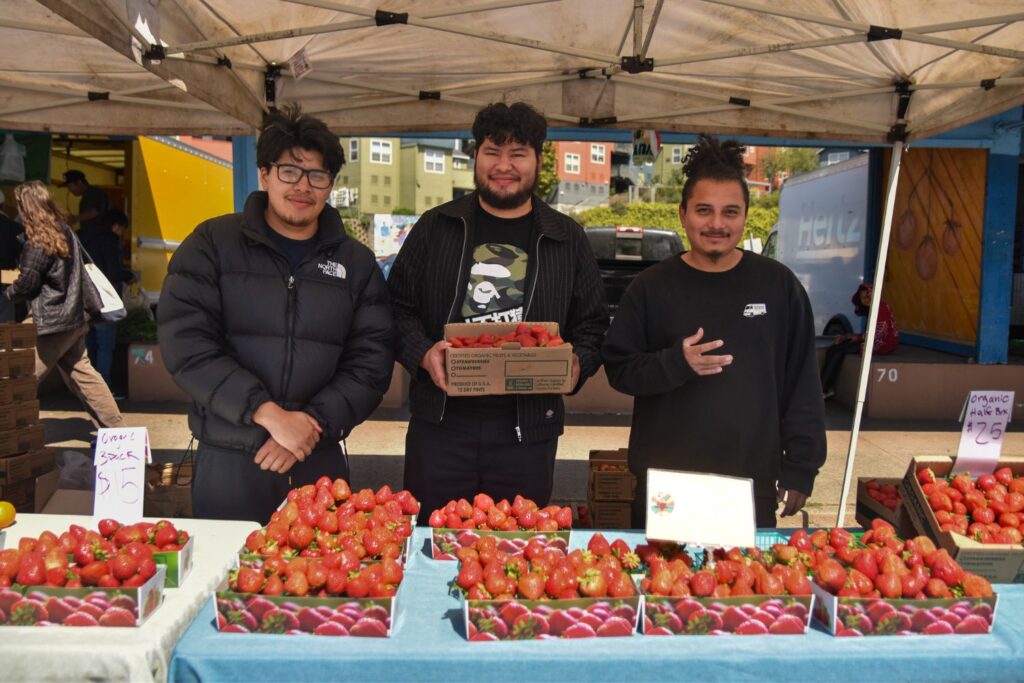
Urban Organics have been selling at Alemany Farmers Market since 2016. “Our favorite part about the Alemany Farmers Market is the diversity that the market offers,” Adrian says. “We have always received great support from everyone at Alemany from staff to customers.”
With the recent cyclospora outbreak, Andrian has noticed an increase in sales at farmers markets, as shoppers have been looking for more transparency in where their food comes from, and the health and environmental conditions in which it was grown.
He says it’s fulfilling to see that the regenerative certification can act as an “extra safety net” for customers in ensuring their food is clean and safe.
“Farming has always been rewarding for us, just the feeling we get from customers” Adrian said. With their regenerative organic produce, Urban Organics aims to support customers in return by providing them with a sense of trust and peace of mind.
Find Urban Organics at the Alemany Farmers Market on Saturdays.
Topics: Farmers market, Farms